

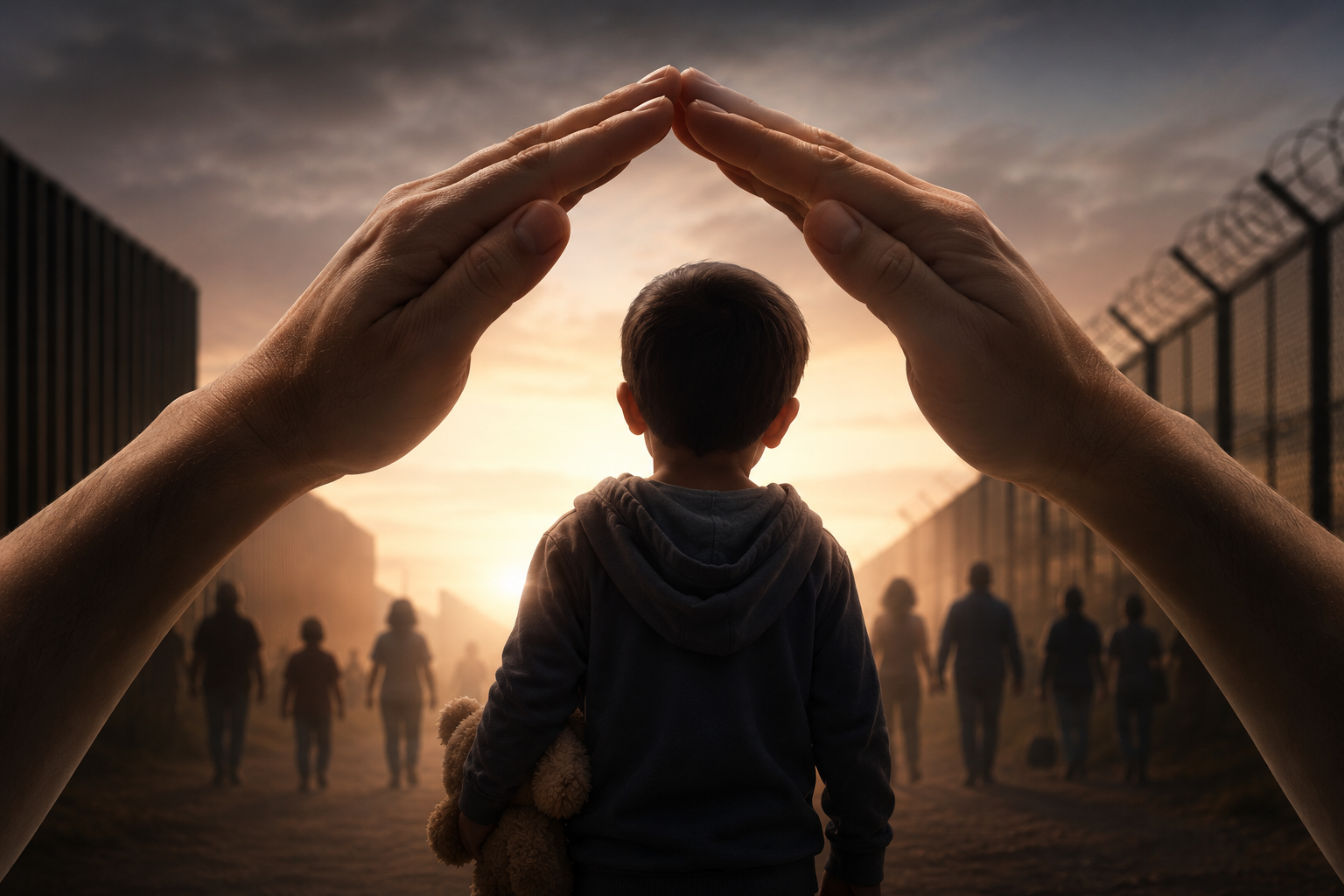
146,000 Missing Children Found: Why Accountability and Child Protection Must Remain a National Priority
The reported recovery of 146,000 previously unaccounted-for migrant children has sparked a national conversation about child welfare, government accountability, and the urgent need to protect vulnerable populations. While political debates often dominate discussions surrounding immigration policy, this issue reaches far beyond politics. At its core, it is about the safety, dignity, and well-being of children.
According to statements made by federal officials, thousands of unaccompanied migrant children were placed with sponsors and later lost contact with government agencies responsible for their oversight. Investigators have since reported cases involving abuse, exploitation, human trafficking, and neglect, raising serious concerns about how existing systems failed to adequately protect these children.
The recovery of such a large number of children is a reminder that effective oversight is not optional—it is essential. Every child who enters the care of government agencies should be accounted for, monitored appropriately, and protected from those who seek to take advantage of their vulnerability. When safeguards fail, the consequences can be devastating and long-lasting.
This development also highlights the importance of transparency. Citizens deserve clear answers regarding how so many children became unaccounted for, what warning signs may have been overlooked, and what corrective actions are being taken to ensure similar failures do not occur in the future. Accountability is not about assigning blame for political gain; it is about identifying weaknesses, correcting mistakes, and strengthening protections for those most at risk.
The issue of child exploitation transcends political parties, administrations, and ideologies. Whether one views these events through the lens of immigration policy, law enforcement, human rights, or public administration, there should be broad agreement on one fundamental principle: every child deserves protection, and every credible report of abuse or trafficking deserves immediate attention and action.
As investigations continue and more information becomes available, the focus should remain on supporting victims, bringing perpetrators to justice, and improving the systems responsible for safeguarding children. The reported recovery of 146,000 children is significant not only because of the number itself, but because it represents thousands of individual lives—each with a story, a future, and a right to safety.
A society is ultimately judged by how it treats its most vulnerable members. The ongoing effort to locate, protect, and support these children serves as a powerful reminder that vigilance, compassion, and accountability must remain at the center of public policy. Regardless of political perspectives, protecting children should always be a shared national priority.